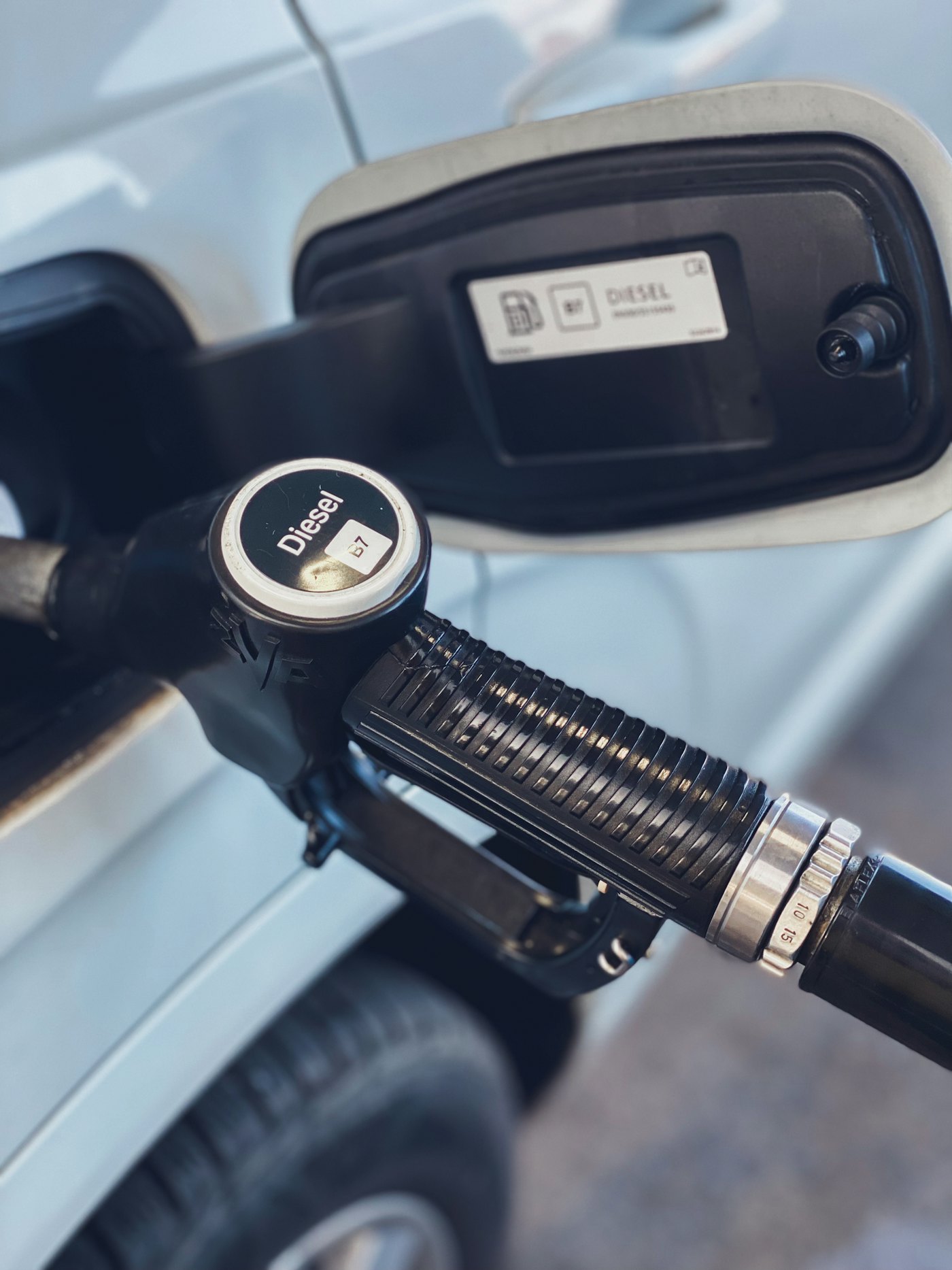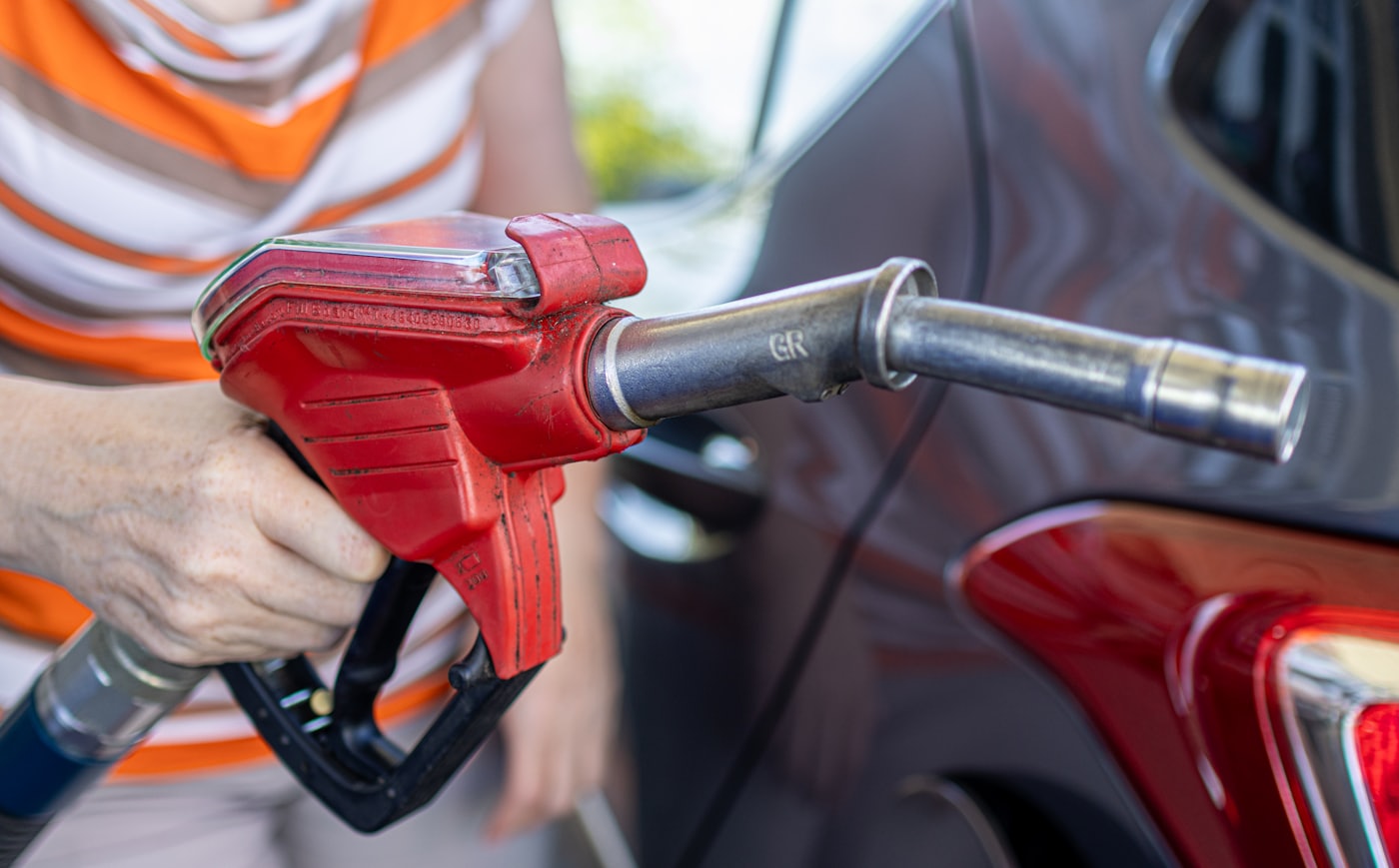
People ask us this all the time, and the short answer is that petrol in a diesel is the bad one. Diesel in a petrol is annoying and worth fixing, but it almost never crosses into engine damage territory the way the other direction does. Here's why.
How a diesel engine actually works
A diesel engine doesn't have spark plugs. It squeezes air until it gets hot enough to ignite the fuel on its own. To make that happen reliably, diesel fuel is pushed through a high pressure pump (we're talking 2,000 bar plus on a modern common rail engine) and then atomised through extremely fine injectors. The clearances inside that pump and those injectors are microscopic.
Here's the catch: the diesel itself is what lubricates those parts. There's no separate oil supply to the high pressure pump or the injectors. They rely on the fuel passing through them to keep the metal on metal friction in check.
Now put petrol in there. Petrol is a solvent. It strips the lubrication away. Metal-on-metal contact begins. Fine particles wear off the pump and end up downstream in the injectors. Suddenly you've got a fuel system that's contaminating itself faster than you can drain it. That's why we tell people not to start the engine, every second of running on that mix is doing damage.
How a petrol engine handles the reverse
A petrol engine ignites fuel with a spark, on demand. The fuel doesn't need to lubricate anything; it just needs to combust cleanly. Splash some diesel into a petrol tank and the engine will struggle. Diesel is heavier, oilier, and won't burn cleanly without compression ignition. Symptoms are heavy white or grey smoke, rough running, loss of power, and on a modern direct injection petrol engine, possibly fouled spark plugs and a smelly catalytic converter.
The damage is mostly cosmetic and reversible: foul the plugs, foul the cat, run rough until you fix it. The fuel system itself isn't being attacked the way a diesel pump is. The fix is the same as our usual job: drain the tank, flush the system, refuel with petrol, run it for ten minutes, you're done.
So the actual ranking
- Petrol in a diesel: stop, don't start the engine, call us. The faster we get to you, the cheaper the job stays.
- Diesel in a petrol: still worth calling, but less time critical. The car can sit safely for a few hours until we arrive.
- AdBlue in the fuel tank (or fuel in the AdBlue tank): different problem again. AdBlue is corrosive to the fuel system. Same rule, don't start the engine.
One thing both have in common
Neither requires a tow truck. We do the work on site, wherever the car is, with our own drainage equipment and licensed disposal of the contaminated fuel. Most metro jobs are done inside the hour on site, and you drive away the same day.
If you're reading this because it's just happened to you, the post you actually want is the first 60 seconds one. Then call us.