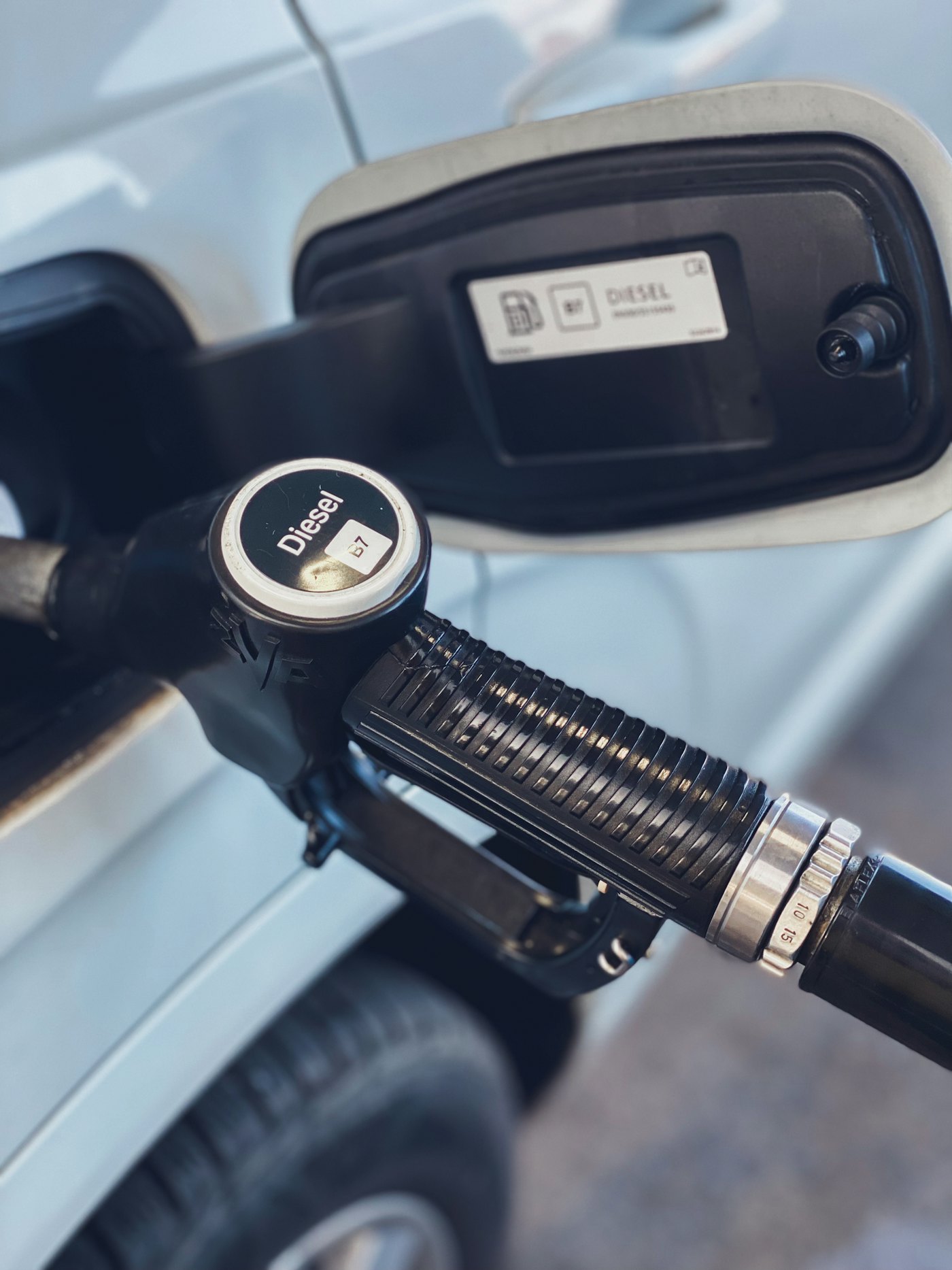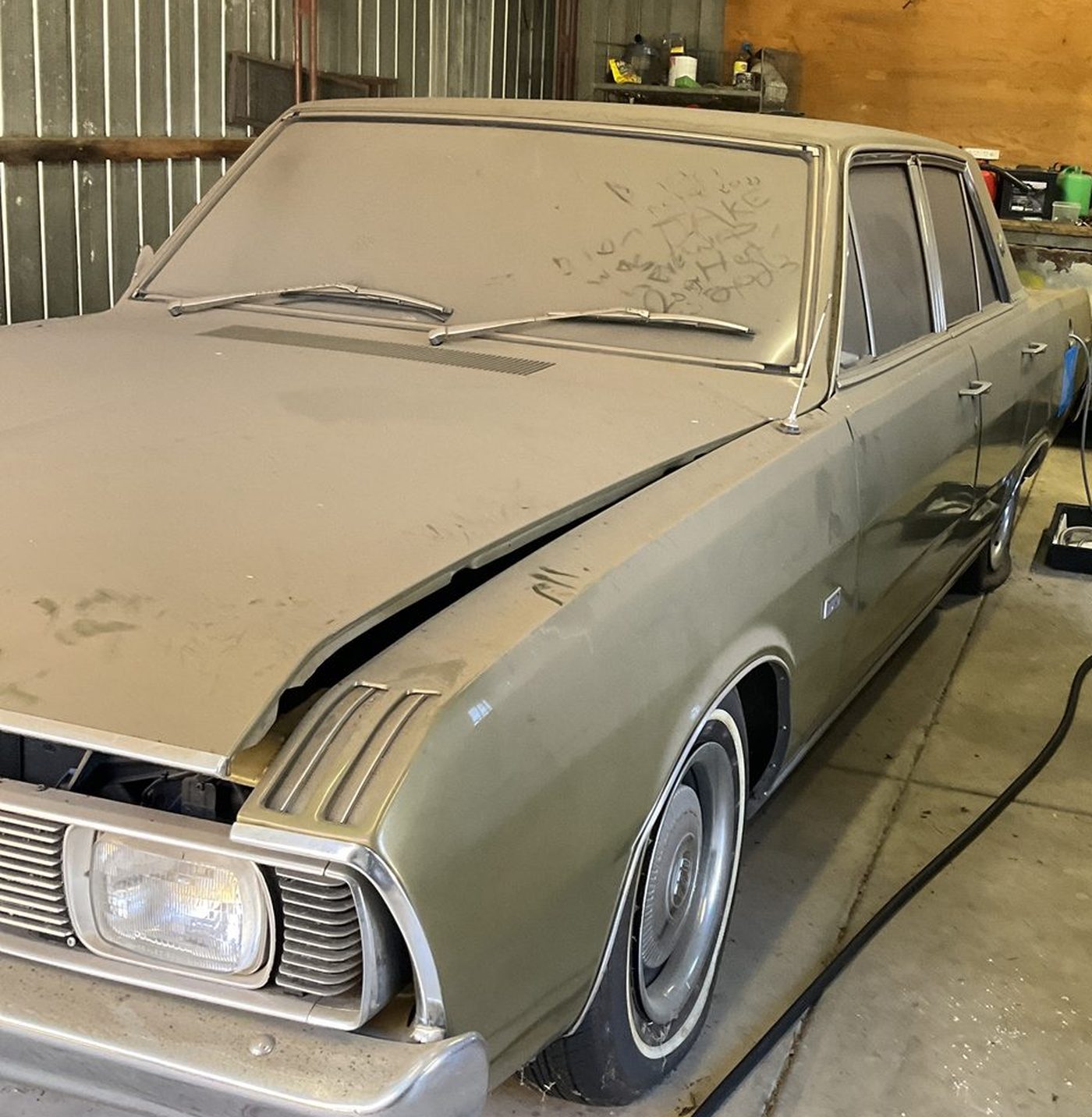
We drained a 1971 Valiant last week that had been standing in a shed for about ten years. Dust thick enough that the kids had written their names on the windscreen. The owner was sending it to a workshop to get it back on the road, and he did the smart thing: he got the old fuel out before it went anywhere.
That order matters more than people expect. If you are waking up a project car, the fuel is not a detail to sort out later. It is the first job on the list, before the battery, before the plugs, before anything that makes it easy to turn the key.
What actually happens to petrol while it sits
Petrol is not a stable thing in a vented tank. It is a blend of light and heavy fractions, and the light ones evaporate off first. What is left behind gets thicker, darker and more acidic, and it drops out gum and varnish that coat everything they touch. Carburettor jets and fine passages are exactly the wrong size for that.
Then there is water. Tanks breathe with the temperature, and every warm day to cold night cycle pulls a little damp air in. Over years that condenses out and sits under the fuel, which is where rust in a steel tank starts. If the last fill was an ethanol blend it is worse again, because ethanol holds water until it cannot, then separates out into a corrosive layer at the bottom of the tank, right where the pickup is.
There is no clean date on any of this. A few months in a sealed tank in a cool shed is very different to two summers in a tin shed in Adelaide. But by the time a car has been off the road a year, the fuel in it is a liability rather than a fuel.
The mistake is cranking it to see
The instinct is to throw a battery in and see if it fires. We understand it, and it is the single most expensive thing you can do at that point.
The moment the engine turns over, everything sitting in the bottom of that tank gets pulled up into the lines and through the system. Water, rust, gum, whatever has settled out over the years. On a carburetted classic that means blocked jets and a strip down. On anything with an in-tank pump and injectors it is a much bigger bill, because you have just fed contamination through the parts that cost the most to replace.
Leave the key alone. Drain it cold, then start it. That order costs you nothing and can save the whole fuel system.
How to tell before you turn anything
- Smell it. Fresh petrol smells sharp. Old petrol smells sour, almost like varnish or old paint. Once you have smelled it you never mistake it.
- Look at it. Fresh fuel is pale and clear. Old fuel goes amber, then brown, and may have a haze or a separate layer at the bottom.
- Look at the filler neck and the tank if you can see it. Surface rust around the neck usually means moisture has been getting in for a while.
If any of that rings true, do not run it. There is no additive that turns fuel that has separated back into fuel.
What a drain looks like on a car like this
We come to the car, which for these jobs is almost always a shed or a garage rather than a roadside. Nothing gets started. The tank is pumped out and the old fuel is collected properly, and we check and photograph as we go so the owner and the workshop can both see what came out.
What the workshop gets back is an empty, dry tank and a known quantity, instead of a guess and a fuel system full of ten year old petrol. The old fuel leaves with us and is disposed of legally under EPA Licence 52359.
The right order for a project car
Most people wake a car up in the order that feels satisfying: battery in, turn the key, see what happens, then deal with whatever breaks. On something that has been parked for years that order is backwards, because the one irreversible step is the one you did first.
Fuel out, then battery, then everything else. An empty dry tank costs you an afternoon. A fuel system full of ten year old petrol pushed through by a starter motor costs you the parts you were hoping to keep original. On a project car the tank is usually the cheapest thing in the fuel system to put right, and the injectors, pump or carburettor are the parts you actually care about.
It is the same thinking as not turning the engine over on a fresh rebuild before you have oil pressure. Do the boring step first, in the right order, and the expensive parts stay expensive parts instead of a parts order.
If you are bringing something out of storage anywhere around Adelaide, call us on (08) 7083 9699 before you put a battery in it. Same job, whether it is a classic in a shed, a project car on a trailer, or a work vehicle that has sat since the last shutdown. More detail on the process is on our contaminated fuel page, and you can see the Valiant on our recent jobs.
Whatever the fuel problem, we get it sorted. Call Rapid Wrong Fuel Solutions on (08) 7083 9699.